Tuesday, October 15, 2024

Monday, October 14, 2024
10 Amazing Agricultural Machines You Should Know About | The Farming Cha...
Thursday, September 26, 2024
Amazing Modern Chicks Poultry Farming Technology: Revolutionizing the Industry
Amazing Modern Chicks Poultry Farming Technology: Revolutionizing the Industry
The journey of a chick from the moment it breaks free from its egg to its eventual place in the world is nothing short of miraculous. This process symbolizes transformation, growth, and the nurturing that leads to a golden future. Just as a chick undergoes stages of development, each stage filled with struggles and triumphs, so too do we encounter challenges in our lives. This article explores the chick's journey, illuminating its significance and drawing parallels to human experiences. Let’s delve into this enchanting story of resilience and hope.
The Early Days: Breaking Free from the Shell

The hatchling’s first moments are a pivotal point in its life. Emerging from the protective confines of the egg represents more than just a biological process; it signifies the beginning of independence.
The Struggle for Life
When a chick pecks its way out of the egg, it engages in a battle for survival. This struggle is both physical and psychological.
Chicks must exert an immense amount of energy to break through the shell. This is not merely a test of strength but also one of determination. The act of hatching can serve as a metaphor for overcoming life's obstacles. Much like a chick fights to free itself, individuals often face daunting challenges that require perseverance.
This initial struggle prepares chicks for the world outside, teaching them the importance of resilience. It shows that every great achievement begins with an effort, a lesson that extends far beyond the animal kingdom and resonates deeply in our lives.
The Role of Nurturing
Once the chick emerges, it relies heavily on its mother for warmth, nutrition, and protection. The concept of nurturing here holds great significance.
A nurturing environment fosters growth, providing essential resources that enable young chicks to thrive. Mother hens instinctively guide their chicks, teaching them how to forage and avoid dangers. This parental guidance parallels how support systems help us navigate through life's uncertainties.
In a broader context, nurturing can take many forms, including mentorship, education, and love. These elements provide the foundational pillars necessary for transforming potential into success. The influence of nurturing continues to echo throughout the chick's life and ours, underscoring the crucial need for positive reinforcement in the early stages of development.
The Importance of Community
As the chick begins its journey, it also becomes acutely aware of the community around it. Chicks are social creatures, relying on the security offered by their flock.
Forming bonds within a group provides safety, and these partnerships become vital during times of stress. Together, they learn to navigate the complexities of their environment, whether it be finding food or avoiding predators.
This sense of community speaks volumes about the power of collaboration and connection. In our own lives, we often rely on networks of friends, family, and colleagues. Just as the chick benefits from being part of a flock, we too thrive in environments where teamwork and shared experiences flourish.
The Transition Phase: Learning and Growth
As time progresses, chicks enter a critical phase marked by exploration and learning. This transition phase is essential for individual development and social interaction.
Developing Independence
The journey toward independence is a gradual process. Initially, chicks are entirely dependent on their mothers for sustenance. However, as they grow, they begin to develop their skills and instincts.
Learning to forage is among the first lessons. Young chicks start to experiment with different foods, which cultivates their preferences and enhances their ability to survive independently. This hands-on experience is a form of trial and error, leading to eventual mastery.
Independence fosters confidence, allowing them to explore beyond their immediate surroundings. This mirrors our own journey of self-discovery and the empowerment that comes with gaining skills and knowledge. Embracing independence enables us to tackle challenges head-on, shaping our identity and purpose.
Social Hierarchy and Relationships
Within the flock, a social hierarchy begins to emerge. As chicks mature, they start to establish relationships and understand their place within the group.
Social interactions are vital for communication and cooperation. From asserting dominance to forming alliances, each chick learns valuable lessons about dynamics and relationships. Observing the behaviors of others helps them enhance their social intelligence, which is crucial for survival.
This aspect highlights the importance of emotional intelligence in human relationships. Just as chicks navigate their social environment, we continuously engage with others, honing our ability to connect and empathize. Building strong interpersonal skills solidifies our foundation for effective communication and collaboration.
Facing Adversity
Life is not without its challenges, and the journey of a chick involves facing adversity head-on. Whether it be weather changes or threats from predators, adaptability becomes key to survival.
Through these confrontations, chicks learn to assess risks and make calculated decisions. Every challenge presents an opportunity for growth, teaching them resilience in the face of uncertainty.
These experiences reflect our own encounters with adversity. By facing difficult situations, we discover our strengths and capabilities. Overcoming obstacles enriches our character and prepares us for future endeavors, fostering a mentality of growth and improvement.
The Maturity Stage: Embracing Change
As chicks transition into adulthood, they experience profound changes. This stage marks a significant evolution in their lives, characterized by newfound roles and responsibilities.
Exploring New Horizons
Mature chicks are ready to explore beyond their previous confines. This willingness to venture into new territories opens avenues for discovering possibilities.
They engage with different environments, integrating into diverse communities. This exposure enhances their adaptability, enabling them to thrive in varying conditions.
For humans, embracing change is equally important. Stepping outside of comfort zones invites growth and innovation. Each experience shapes our perspectives, broadening our horizons and enriching our lives with diversity.
Finding a Purpose
With maturity comes the search for purpose. Adult chicks lay eggs and contribute to future generations, embodying the cycle of life. Their roles within the ecosystem shift as they begin to give back to the community.
The idea of purpose also resonates deeply within us. Many seek fulfillment through careers, volunteer work, or creative pursuits. Finding purpose instills a sense of belonging and drives meaningful contributions to society.
Recognizing one's purpose lays the groundwork for a golden future. Just as adult chicks take on new responsibilities, our sense of purpose propels us forward, guiding our actions and aspirations.
Building a Legacy
As adults, chicks contribute to their environment, ensuring the survival of their species. They create a legacy, passing on knowledge and skills to the next generation.
This generational continuity emphasizes the importance of mentorship, guidance, and nurturing future leaders. The cycle continues as each new cohort embarks on its journey, learning from the past while paving its path.
In our lives, building a legacy reflects our values, achievements, and the impact we leave on others. Whether through family, community service, or professional accomplishments, our legacies shape the narratives that inspire those who follow.
FAQs
What does the chick's journey symbolize?
The chick's journey symbolizes growth, resilience, and the transformative power of nurturing relationships in achieving a successful and fulfilling life.
How can the chick's journey relate to personal growth?
The chick's journey illustrates the importance of overcoming challenges, developing independence, and finding purpose, all essential elements of personal growth.
Why is nurturing important in a chick's life?
Nurturing provides vital support for a chick's survival and development. It enhances their chances of thriving in their environment and shapes their future behavior.
What role does community play in a chick's journey?
Community offers safety and learning opportunities, helping chicks develop social skills and navigate their world effectively.
How can humans learn from the chick's journey?
Humans can draw parallels to their own experiences of growth, resilience, independence, and purpose, recognizing the importance of challenges and nurturing in shaping their futures.
Video
Conclusion
The chick's journey is a powerful metaphor for our own paths through life. From breaking free from constraints to navigating the trials of growth and transformation, each stage of the journey embodies resilience, independence, and the quest for purpose.
As we reflect on this journey, let us carry forward the lessons learned — the importance of nurturing, the value of community, and the significance of embracing change. Ultimately, just like the chick, we have the potential to evolve and carve out our golden futures, rich with meaning and promise.
Wednesday, September 25, 2024
The Heartbeat of the Earth A Journey into Farming and Farm Life
The Heartbeat of the Earth A Journey into Farming and Farm Life
Farming serves as one of the most critical lifelines in human existence, connecting us to the land that nourishes our bodies and sustains our communities. This ancient vocation has evolved through time—adapting to technological advancements and ecological changes while still holding onto its deep-rooted traditions. In this article, we will explore various aspects of farming life, from the farm itself to the farmhouse and the various farming techniques used today. We will also delve into how these elements are interwoven with the broader tapestry of sustainable living.
Farm
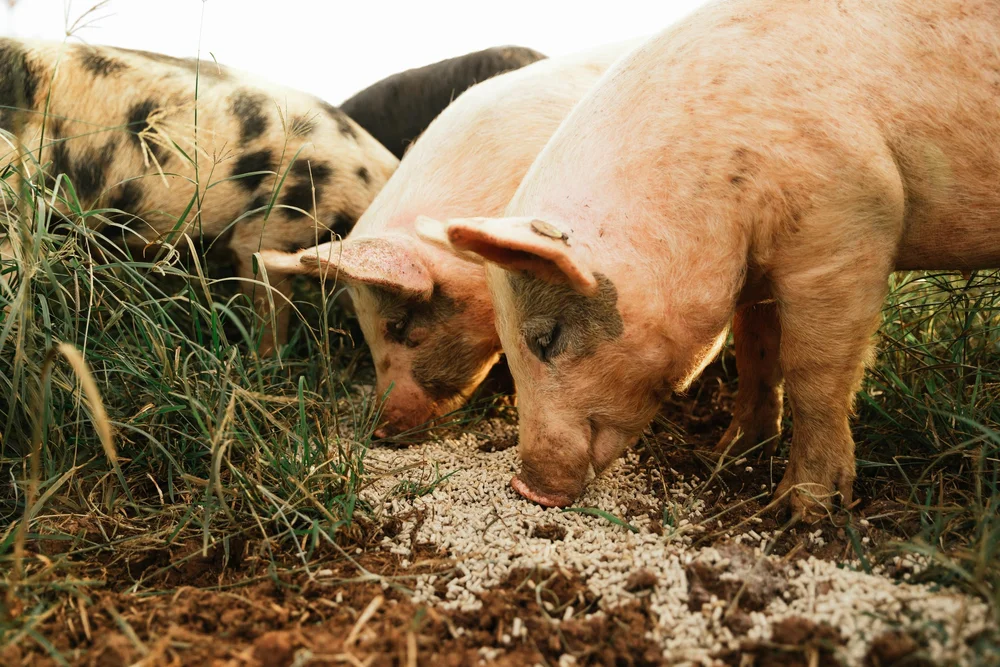
The concept of a farm encompasses much more than just fields of crops or herds of livestock. It represents a way of life that is deeply intertwined with nature and community. Farms can vary widely in size, type, and purpose, but they all share a common goal — to produce food, fiber, and other essential goods for human consumption and use.
Types of Farms

Farms can be broadly categorized into several types, including crop farms, livestock farms, mixed farms, and specialty farms.
Crop farms primarily focus on growing a variety of vegetables, fruits, grains, and other plants. These farms often employ different methods of cultivation, from conventional tillage to organic practices. One of the fascinating aspects of crop farming is the sheer diversity of plant species cultivated. Farmers may choose to specialize in certain crops based on market demand, climate suitability, and personal preference, creating a unique landscape of colors, textures, and aromas.
Livestock farms, on the other hand, center around raising animals for food production, such as meat, dairy, and eggs. This form of farming requires a significant understanding of animal husbandry, ensuring the health and welfare of the animals while also maximizing productivity. There are various approaches to livestock farming, ranging from large-scale factory operations to smaller, family-run farms that prioritize ethical treatment and sustainable practices.
Mixed farms combine both cropping and livestock systems, allowing farmers to diversify their income sources and create a more resilient farming operation. This approach can promote soil health by rotating crops and utilizing manure from livestock as fertilizer. Such synergy within mixed farms not only makes ecological sense but can also be economically advantageous.
Specialty farms focus on niche products, whether it be organic herbs, exotic fruits, or artisanal cheeses. These farms often target specific markets, catering to consumers looking for high-quality, unique products. The rise of the local food movement has bolstered interest in specialty farms, as more people seek to support small-scale producers and reduce their carbon footprint through direct purchases.
Farm Environment

A farm is much more than just a business; it’s an ecosystem brimming with life. The interactions between soil, water, air, plants, and animals create a complex environment that must be carefully managed. For example, soil health is paramount in farming, as it affects everything from crop yield to sustainability. Practices like crop rotation, cover cropping, and reduced tillage help maintain soil fertility and prevent erosion.
Water management is another critical aspect of farming. With changing climate patterns leading to inconsistent rainfall, farmers are adopting new irrigation techniques and conservation strategies. Rainwater harvesting, drip irrigation, and moisture sensors are becoming increasingly popular methods to optimize water usage and ensure plants receive the hydration they need without wasting resources.
Biodiversity on a farm plays a vital role in maintaining ecological balance. By fostering diverse ecosystems, farmers can create habitats for beneficial insects, birds, and other wildlife that contribute positively to crop production. Integrating natural pest control methods can reduce reliance on chemical pesticides, aligning with sustainable farming practices that respect both the land and the consumer.
The Role of Technology in Modern Farming
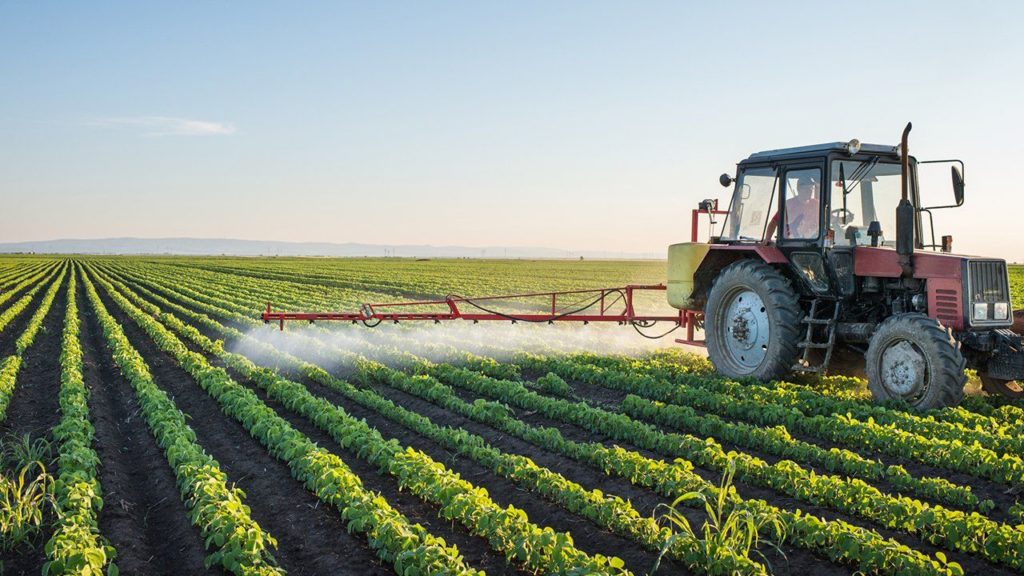
In recent years, technology has transformed how farms operate, making them more efficient and productive. Innovations such as precision agriculture utilize GPS technology and data analytics to optimize planting patterns, resource management, and yield forecasting. Drones equipped with advanced imaging technologies allow farmers to monitor crop health from above, identifying areas that require attention.
Additionally, the development of genetically modified organisms (GMOs) has sparked debates over agricultural ethics and safety. Proponents argue that GMOs can lead to higher yields and resistance to pests and diseases, while critics raise concerns about potential long-term effects on human health and biodiversity.
As the world grapples with a growing population and climate change, finding a balance between technology and traditional methods becomes crucial. The future of farming may lie in integrating innovative practices while honoring sustainable, age-old techniques passed down through generations.
Farmhouse

The farmhouse serves as the heart of the farm, a place where work meets family life, and tradition intertwines with innovation. It stands as a symbol of hard work, resilience, and connection to the land. The design and structure of a farmhouse vary widely, influenced by geographical location, available materials, and cultural significance.
Architectural Styles of Farmhouses
Farmhouses often reflect the architectural styles prevalent in their regions. For instance, a New England farmhouse might feature classic colonial architecture with a steep roof and white clapboard siding, while Southern farmhouses often display wide porches and wooden construction to accommodate hot climates.
Many modern farmhouses embrace a blend of contemporary design and rustic charm, incorporating open floor plans, large windows, and energy-efficient features. This evolution illustrates how the farmhouse continues to adapt, just as farming does. The integration of sustainable building materials and smart home technology can enhance the functionality and eco-friendliness of these homes.
The interior of a farmhouse tells a story of its inhabitants, often filled with family heirlooms, handmade crafts, and organic materials sourced from the surrounding land. The ambiance is cozy and inviting, serving as a sanctuary for those who toil under the sun. Many farmhouses incorporate spaces designed for communal gatherings, reinforcing the strong sense of community that pervades rural life.
Life Inside the Farmhouse
Living in a farmhouse entails a unique lifestyle closely linked to the rhythms of nature. Daily chores often begin at dawn, with tasks revolving around crop care, animal husbandry, and household duties. Families working together fosters a strong bond, instilling values of teamwork and responsibility in children from a young age.
Traditionally, meals prepared in the farmhouse kitchen rely heavily on fresh ingredients grown on the farm. Seasonal eating becomes a celebration of the land's bounty, emphasizing the importance of food sovereignty and self-sufficiency. Techniques like canning, fermenting, and preserving become part of the culinary culture, allowing families to enjoy the taste of summer harvests throughout the year.
Despite the demanding nature of farm life, many embrace the slower pace and deep connection to nature. Evening strolls through fields, watching sunsets over pastures, and listening to the symphony of crickets and frogs at night offer a respite from the day's labor. This intrinsic relationship with the land nurtures a sense of gratitude and mindfulness that resonates deeply in the hearts of those who call the farmhouse home.
Community and Tradition
The farmhouse serves as a gathering place for family, friends, and the wider community. Celebrations such as harvest festivals, barn dances, and seasonal fairs foster a sense of belonging and connectedness. These events not only strengthen social ties but also honor the rich agricultural heritage that defines rural life.
Community support systems often arise around the farmhouse, with neighbors lending a helping hand during busy seasons or sharing resources and knowledge. This spirit of cooperation reinforces the idea that farming is not just an individual endeavor but a collective effort rooted in shared values and goals.
In the face of modern challenges, such as climate change and globalization, many farmhouses have become hubs for sustainability initiatives. Workshops on organic gardening, permaculture, and livestock management frequently take place on family farms, empowering others to adopt environmentally conscious practices.
The legacy of the farmhouse endures as it evolves to meet the demands of contemporary society while retaining its fundamental essence. As more individuals seek to reconnect with their food sources, the farmhouse remains a symbol of hope, resilience, and the promise of a sustainable future.
farming

Farming embodies a multifaceted journey, characterized by hard work, creativity, commitment, and adaptability. It is an enterprise that constantly evolves, facing environmental, economic, and social challenges along the way. Understanding the nuances of farming cultivates a deeper appreciation for the food we consume and the hands that bring it to our tables.
Sustainable Farming Practices
In recent years, there has been a growing emphasis on sustainable farming practices aimed at reducing environmental footprints and enhancing biodiversity. These methods often focus on soil health, water conservation, and organic pest management as means to cultivate crops and raise livestock responsibly.
Regenerative agriculture takes sustainable practices a step further by aiming to restore ecosystems while producing food. Techniques such as cover cropping, agroforestry, and holistic grazing can significantly improve soil health and sequester carbon, making farming part of the solution to climate change.
Moreover, sustainable farming encourages the use of local seeds and traditional varieties that are well adapted to specific regions. By relying less on monocultures and industrial farming techniques, farmers can protect biodiversity and ensure the survival of heirloom plants and breeds.
Challenges in Modern Farming
While farming holds immense promise, it is fraught with challenges. Climate change poses one of the most significant threats, altering weather patterns, increasing the frequency of extreme weather events, and impacting crop yields worldwide. Farmers must constantly adapt, employing innovative strategies to mitigate risks associated with droughts, floods, and unpredictable growing seasons.
Economic pressures present additional hurdles. The rising costs of inputs such as seeds, fertilizers, and equipment can strain small-scale farmers, pushing them to consider alternative income streams. Many farmers turn to agritourism, hosting workshops or offering farm stays, to diversify their revenue sources and engage with consumers directly.
Furthermore, access to markets remains a challenge for many farmers, particularly in marginalized communities. Building relationships with local buyers, establishing cooperatives, and utilizing technology for direct-to-consumer sales can empower farmers to navigate these barriers effectively.
The Future of Farming
Looking ahead, the future of farming will likely be shaped by emerging trends and innovations. Biotechnology may play a role in developing crops resistant to pests and diseases, while advances in artificial intelligence could optimize farming practices through data analysis and predictive modeling.
Consumer preferences will also continue to influence farming practices, as individuals increasingly seek transparency and sustainability in the food system. Organic produce, ethically raised meats, and local sourcing are becoming non-negotiable for many consumers, driving demand for responsible farming practices.
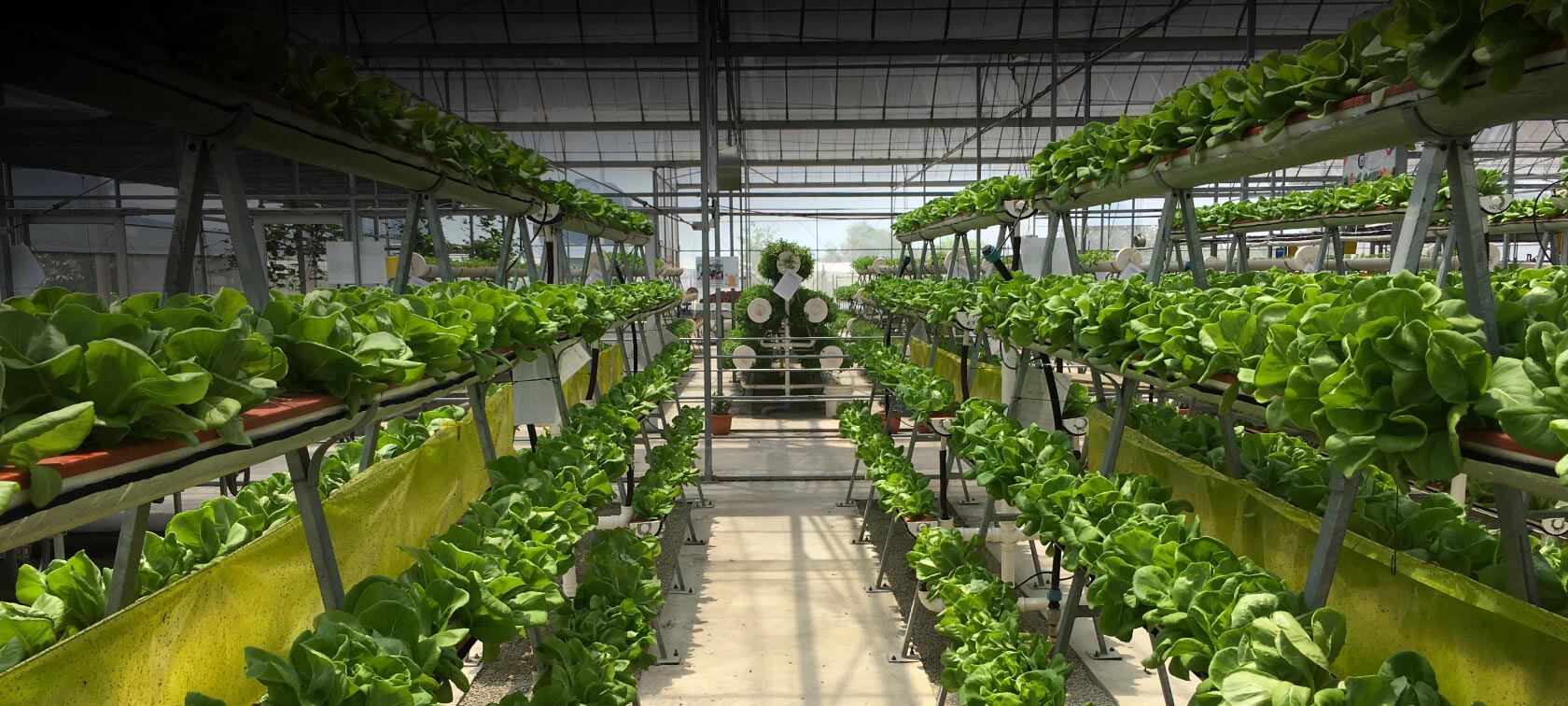
As urbanization increases, the concept of urban farming gains traction. Rooftop gardens, vertical farming, and community-supported agriculture can revitalize urban landscapes, promoting food security and reducing food miles. This movement represents a return to localized food systems, creating connections between city dwellers and rural farmers.
Ultimately, the future of farming lies in collaboration—sharing knowledge, resources, and experiences among farmers, researchers, policymakers, and consumers. By forging a united front, we can build resilient food systems that nourish both people and the planet.
FAQs
What is the difference between conventional and organic farming?
Conventional farming typically relies on synthetic pesticides, herbicides, and fertilizers to maximize crop yields and combat pests. In contrast, organic farming emphasizes natural inputs and biodiversity, avoiding synthetic chemicals and focusing on soil health through composting and crop rotation. Both methods have their advantages and disadvantages, depending on environmental considerations and market demand.
How do I start my own farm?
Starting a farm involves careful planning and research. First, determine what you want to grow or raise, considering both your interests and market demand. Next, select a suitable location, secure funding, and develop a comprehensive business plan outlining your goals and strategies. Finally, familiarize yourself with local regulations related to zoning, permits, and agricultural practices.
What are some sustainable farming practices I can adopt?
Some sustainable farming practices include crop rotation, cover cropping, organic pest management, and agroforestry. Additionally, practicing water conservation, using renewable energy sources, and prioritizing soil health can all contribute to a more sustainable farming operation.
Can urban areas participate in farming?
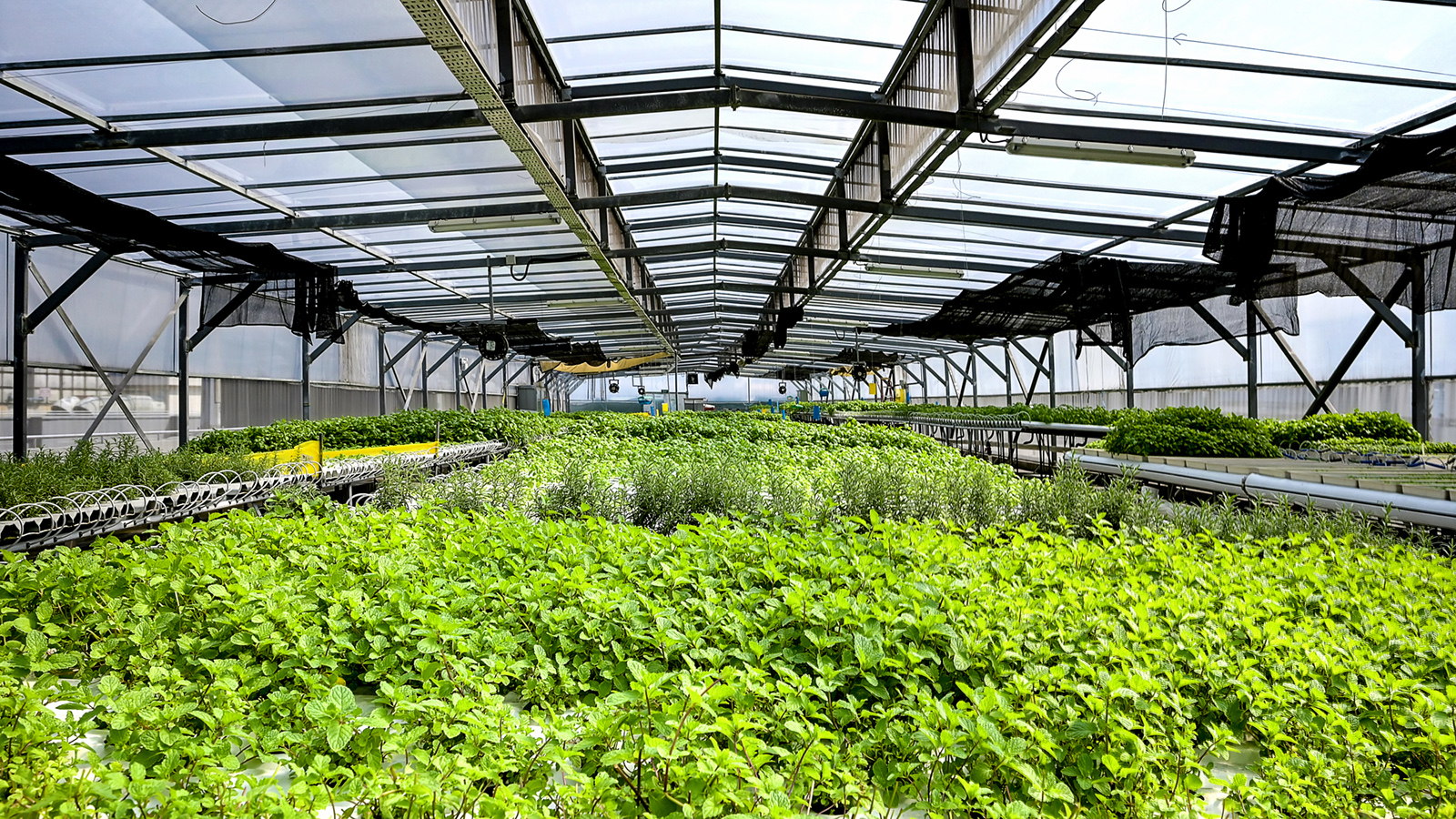
Absolutely! Urban farming has gained popularity in recent years, with individuals transforming vacant lots, rooftops, and community spaces into productive gardens. Vertical farming and hydroponics are also viable options in urban settings, allowing people to grow food even in limited spaces.
Why is farming important for the economy?
Farming plays a crucial role in the economy by providing jobs, generating income, and contributing to food security. Agricultural activities stimulate local economies, supporting businesses such as processing, distribution, and retail. A robust agricultural sector promotes rural development and ensures the availability of affordable food for communities.
Conclusion
Farming is far more than a profession; it is an enduring relationship with the land, a way of life that encapsulates our deepest connections to nature and community. From the intricate ecosystems of a farm to the warmth of the farmhouse and the myriad techniques that shape modern farming practices, the narrative of agriculture weaves through history and culture. As we move forward, acknowledging the challenges and opportunities within farming will be essential in cultivating a sustainable future for generations to come. Embracing the wisdom of the past while innovating for tomorrow, we can nurture not only our bodies but also the earth itself—a testament to the heartbeat of the planet.
Labor Productivity Will Increase Greatly
Labor Productivity Will Increase Greatly #agriculture #crop #farming #countryside #farmer

-
Labor Productivity Will Increase Greatly #agriculture #crop #farming #countryside #farmer
-
Amazing Modern Chicks Poultry Farming Technology: Revolutionizing the Industry The journey of a chick from the moment it breaks free from it...


